Category: Local Law 97

LL97 compliance for NYC commercial real estate

  • LL84 Benchmarking as the LL97 Prerequisite

    LL84 Benchmarking as the LL97 Prerequisite

    Last verified: August 22, 2026. By Will Tygart.

    LL97 emissions compliance is only as good as the energy data system underneath it. LL84-style benchmarking via ENERGY STAR Portfolio Manager is not a side quest. It is the data spine for intensity, property type, and year-over-year truth. The filing walkthrough is already here: DOB NOW, ESPM, and BEAM.

    Operator checklist

    • Every covered BIN has a maintained ESPM property
    • Property type matches reality (mixed-use rules understood)
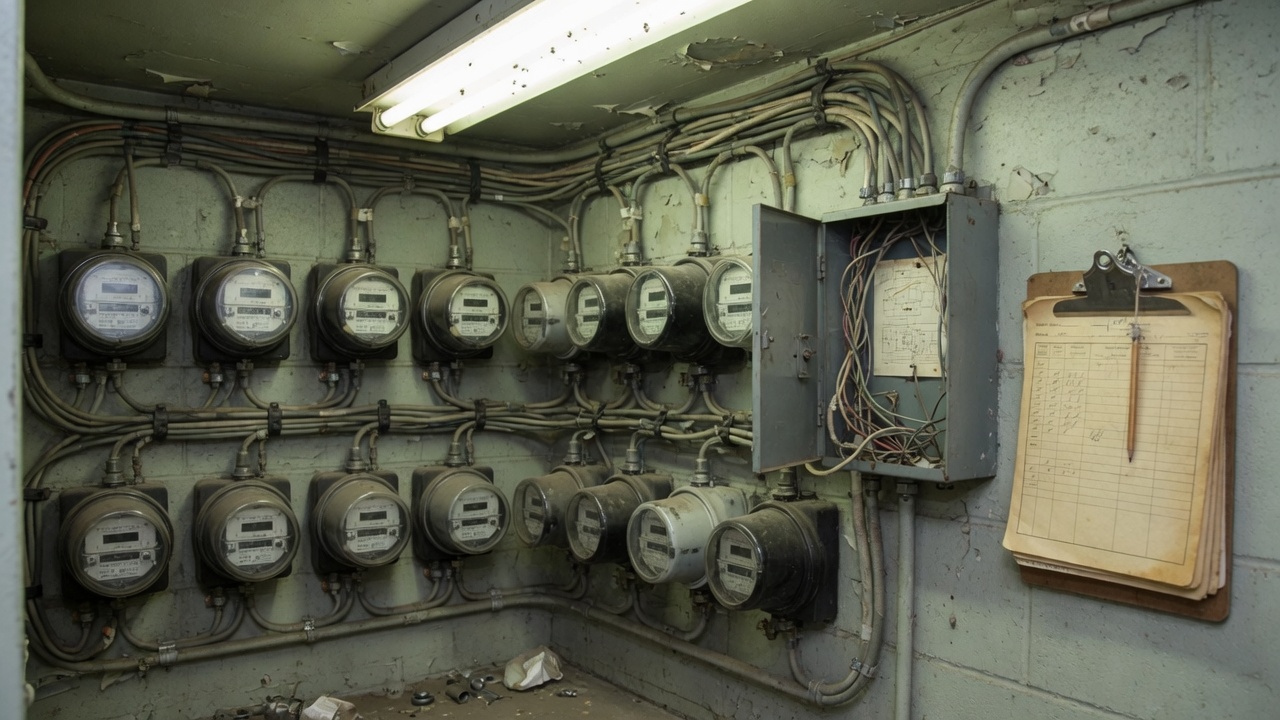
    • Utility meters mapped; gaps documented
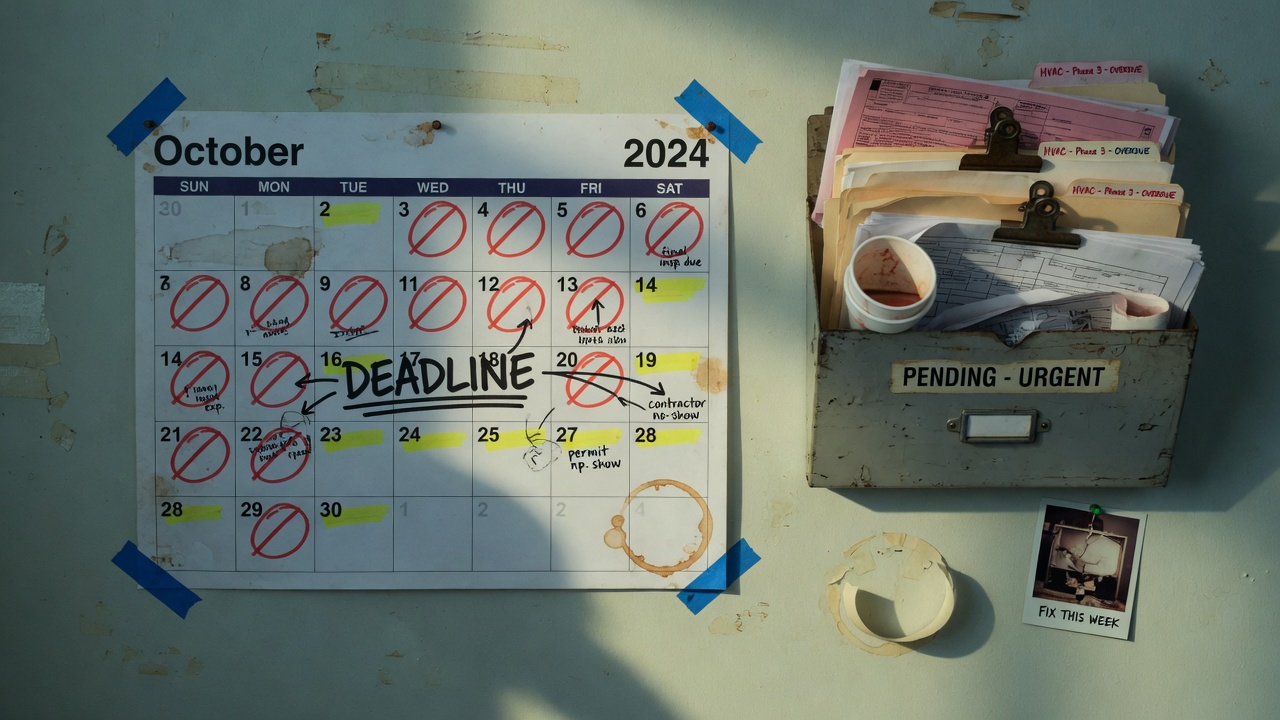
    • Annual benchmarking deadlines on the stack calendar and the live LL84 / LL88 / LL97 / LL33 page
    • Same data owner named for LL84 and LL97 seasons
    • Exports archived with filing workpapers

    Failure modes

    • Changing property type to “game” factors without basis
    • Tenant meters invisible to the landlord
    • Different consultants using different ESPM copies
    • Benchmarking marked “done” while LL97 data is still wrong

    If the meters are a mess, do not debate 2030 electrification first. File with honest data, then fix coverage. The non-filing estimator is what you owe while you argue about the plant.

    Related reading: Local Law 97 Article 320 vs 321, retrofit priority stack for existing buildings, and SEC climate rescission vs LL97. Sister hubs: Restoration Intel, Healthcare Facility Hub, Continuity Hub, Risk Coverage Hub, and Tygart Media.
  • Local Law 97: Article 320 vs 321 Decision Tree

    Local Law 97: Article 320 vs 321 Decision Tree

    Last verified: August 22, 2026. By Will Tygart. For co-op and condo boards and managing agents. Counsel and a Registered Design Professional (RDP) finalize. Not legal advice.

    Boards hear “pathway” folklore in hallways. Article 320 and Article 321 are not vibes. They are different legal tracks with different evidence, different reports, and different failure modes. This tree forces questions before anyone votes.

    Most market-rate co-ops and condos over the size threshold are Article 320 buildings. Article 321 is the lighter, more prescriptive track for certain affordable housing, buildings with more than 35% rent-regulated units, and houses of worship. Confirm which track you are on against DOB’s Covered Building List — do not take it from a group-chat rumor.

    Coverage first (if you are not covered, stop)

    NYC Accelerator’s working test: buildings over 25,000 gross square feet; two or more buildings on the same tax lot that together exceed 50,000; or two or more condo buildings governed by the same board of managers that together exceed 50,000. Square footage comes from Department of Finance records (BBL / BIN). Penalties apply at the BIN.

    What the two articles actually are

    Article 320 Article 321
    Who it usually covers Most private / market-rate covered buildings Certain affordable housing, buildings with more than 35% rent-regulated units, houses of worship
    The obligation Annual carbon cap on building emissions from energy use Either complete a one-time list of 13 prescriptive energy conservation measures, or meet the building’s 2030 carbon limit
    Over-cap math $268 per metric ton of CO2e over the limit for that year Different (prescriptive / alternate) reporting and enforcement — do not import 320 penalty folklore
    Official DOB guides Article 320 information guide (market-rate) Article 321 filing guide (affordable housing and houses of worship)

    HDFC co-ops are commonly treated as Article 321. Ordinary market-rate co-ops and condos are commonly Article 320. Mixed buildings need a rent-roll analysis, not a slogan.

    Step 0 — facts packet before the vote

    • Covered building? GFA / aggregate rules checked against the Covered Building List
    • Rent-regulated share estimate with a source (rent roll, not memory)
    • Dual-period calculator output if you are on (or might be on) 320
    • Filing status this cycle — May 1 / June 30 / $60 extension to August 29, 2026
    • Capital reserve capacity

    Step 1 — are you choosing a special compliance pathway?

    If no: you are in Article 320-style emissions-limit planning. Fund intensity work. File on time.

    If yes: continue with counsel on Article 321 / alternate-pathway eligibility. Do not skip the annual file while you “study the pathway.”

    Step 2 — eligibility screen (yes/no with evidence)

    Question Evidence
    Does rent-regulated share meet pathway thresholds? Rent-roll analysis
    Can we implement required measures on the timeline? Engineering memo
    Do we understand reporting differences? RDP memo plus the matching DOB guide
    Can we afford non-compliance if the pathway fails? Reserve study

    Step 3 — decision outcomes

    • A. Stay on the emissions-limit path — retrofit, use allowed offsets / credits as written, file on time
    • B. Pursue the alternate pathway — minute the rationale, budget the measures, assign owners
    • C. Hybrid time plan — near-term filing discipline plus a medium-term pathway study. Do not miss filing while studying.

    Step 4 — board resolution

    Use the board resolution checklist. Pathway choice must be an exhibit, not a vibe. The live co-op and condo playbook is still the longer 2026 operating guide.

    Related on BCESG

    Primary sources this pass: NYC Accelerator LL97 (Article 320 vs 321, 13 ECMs, 2026 extension), NYC DOB LL97 page and Article 320 / 321 filing guides.

    Related reading: LL84 as the LL97 prerequisite, board resolution checklist, and SEC climate rescission vs LL97. Sister hubs: Restoration Intel, Healthcare Facility Hub, Continuity Hub, Risk Coverage Hub, and Tygart Media.
  • Building Code & ESG Regulatory Watch: NYC LL97 Deadlines, CA SB 253 Scopes & CRE Enforcement — Tuesday, August 25, 2026

    Executive Regulatory Briefing for Commercial Real Estate (CRE) Owners, Property Asset Managers, and Facility Directors: Situational intelligence covering municipal carbon caps, state-level climate disclosure mandates, and building safety enforcement.


    Executive Regulatory Alert & Immediate Compliance Hotspots

    As commercial property portfolios advance through the 2024-2029 regulatory cycle, municipal building authorities and environmental regulatory agencies are accelerating statutory enforcement. In New York City, commercial and residential properties exceeding 25,000 gross square feet face immediate statutory reporting obligations under Local Law 97 with strict carbon penalty liabilities assessed at $268 per metric ton of CO2e over assigned emission limits.

    Regulatory Mandate Breakdown & Penalty Matrix

    Regulation / Law Jurisdiction & Authority Covered Building Classes Penalty Exposure
    NYC Local Law 97 New York City (NYC DOB) Commercial/Resi > 25k sq ft $268 / metric ton CO2e over statutory cap
    California SB 253 / SB 261 California (CARB) Revenue > $1B (SB 253) / > $500M (SB 261) Up to $500,000 annually for reporting omissions
    EPA NESHAP Commercial Asbestos Federal (US EPA) Commercial renovations/demolitions $40,000+ per day per unnotified ACM violation
    OSHA Indoor/Outdoor Heat Standard Federal (OSHA NEP) Mechanical rooms, facilities, roof crews Up to $161,323 for willful safety violations

    Operational Timelines & Filing Windows

    • NYC Local Law 97 Annual Certification: Registered Design Professional (PE/RA) certified emissions filings due annually on May 1. Buildings utilizing Article 321 prescriptive energy conservation pathways must verify completed capital milestones.
    • California Climate Corporate Data Rollout: Covered national enterprises operating in California must formalize Scope 1 & Scope 2 operational boundaries ahead of mandated third-party assurance deadlines.
    • Federal EPA 10-Day Pre-Renovation Rule: Required written notification to state/federal EPA offices prior to disturbing commercial insulation, floor tile mastic, or fireproofing exceeding statutory square footage thresholds.

    Facility Director & Asset Manager Tactical Checklist

    • 1. Comprehensive ASHRAE Level II Energy Audits: Commission detailed energy audits across all portfolio assets exceeding 50,000 sq ft to identify high-draw chillers, uninsulated steam lines, and legacy pneumatic controls.
    • 2. Building Management System (BMS) Calibration & Submetering: Install tenant-level electrical submetering and interval data loggers to segregate plug-load consumption and enforce green lease cost-sharing provisions.
    • 3. Electrification & Heat Pump Retrofit Planning: Begin engineering assessments for variable refrigerant flow (VRF) and air-source heat pump conversions to displace fossil-fuel boiler loads ahead of the stringent 2030 Phase 2 carbon cap drop.
    • 4. Facility Vendor Pre-Qualification: Ensure all mechanical, roofing, and remediation trade contractors hold verified EPA abatement credentials and documented OSHA workplace heat safety programs.

    Official Citations & Regulatory References

    Official regulatory portals and filing resources:

    Related reading: Local Law 97 Article 320 vs 321, LL84 benchmarking as the LL97 prerequisite, and why LL97 still runs after the SEC climate rescission. Sister hubs: Restoration Intel, Healthcare Facility Hub, Continuity Hub, Risk Coverage Hub, and Tygart Media.

    Regulatory & Compliance Disclaimer: This briefing is provided for informational and operational planning purposes for Commercial Real Estate (CRE) owners, asset managers, facility directors, and sustainability professionals. It does not constitute formal legal counsel, licensed engineering certification, or certified carbon accounting. Always verify jurisdictional compliance requirements with the respective municipal code authority (e.g., NYC DOB, CARB, EPA, OSHA) and consult a registered professional engineer (PE) or qualified environmental compliance attorney before executing capital retrofit decisions.

  • Board Resolution Checklist: Local Law 97 for Co-ops and Condos

    Board Resolution Checklist: Local Law 97 for Co-ops and Condos

    Last verified: August 22, 2026. By Will Tygart. Written for co-op and condo boards and the managing agents who serve them. Not legal advice — counsel and a Registered Design Professional (RDP) finalize language and pathway calls.

    Co-op and condo Local Law 97 work usually dies in governance before it dies in engineering: unclear authority, unfunded mandates, a late RDP, and a pathway decision nobody minuted. This checklist is the meeting-ready spine. Pair it with the live co-op and condo LL97 playbook and the $268-per-ton calculator.

    2026 filing clock (do not skip this)

    NYC Accelerator and DOB still run the same three-step file: pay the fee in DOB NOW, share energy data in ENERGY STAR Portfolio Manager, then submit in BEAM with an RDP. The annual report is due May 1, with a 60-day grace period through June 30. For 2026, buildings that need more time may apply in BEAM by June 30 for a $60 extension that runs through August 29, 2026. Missing the file is a different (and often worse) problem than being over cap.

    Confirm your building is on DOB’s Covered Building List before you argue pathway folklore in the hallway.

    Pre-meeting packet (managing agent / president)

    • Latest ENERGY STAR Portfolio Manager property type(s) and gross floor area assumptions
    • Dual-period calculator printout (current period vs 2030)
    • Filing status: submitted / in grace / extension / not started
    • RDP engagement letter status and fee range
    • Reserve study excerpt (energy / capital)
    • Pathway status if anyone is talking Article 320 vs 321 — with evidence, not rumor
    • Vendor list: energy, facade, HVAC, filing consultant

    Resolution themes to draft (counsel finalizes language)

    1. Authority and roles

    • Designate a board officer and a managing-agent owner for LL97
    • Authorize spend up to a named dollar amount for RDP / filing without reopening the full board on every invoice (with reporting)
    • Require monthly compliance status in the board package through filing season

    2. Filing-season actions

    • Authorize timely filing or the extension application under current DOB rules
    • Authorize portal fees and access (BBL/BIN; credentials held by the agent with board visibility)
    • Require confirmation that submission artifacts are stored in board records

    3. Data quality

    • Direct the agent to reconcile utility data and Portfolio Manager anomalies before sign-off
    • Require a written explanation of any mixed-use factor weighting

    4. Capital and 2030

    • Commission or update an energy master plan aimed at 2030 limits
    • Tie major HVAC / envelope projects to intensity outcomes
    • Schedule owner communications on future assessments if CapEx is material

    5. Pathway and special situations

    • Document pathway analysis (rent-regulated share, Article 320 vs 321) with counsel and the RDP
    • Minute the decision and the evidence relied on

    6. Vendors and continuity

    • Require vendors to provide documentation suitable for good-faith / audit files
    • Align the emergency vendor list with who shows up if systems fail mid-retrofit

    Sample 30-minute agenda block

    1. Status (5) — filing clock
    2. Numbers (10) — calculator plus 2030 gap
    3. Decisions (10) — spend authority, RDP, extension yes/no
    4. Owner message (5) — what shareholders hear this month

    Red flags

    • No RDP on the calendar inside filing season
    • “We’ll use last year’s PDF” without a data refresh
    • Capital talk with no intensity target
    • Pathway folklore without written analysis

    After the vote

    • Store the resolution and exhibits in the board portal
    • Confirm the June 30 / extension owners on the calendar
    • Schedule a post-filing retrospective: what broke in data or vendors

    Related on BCESG

    Primary sources checked this pass: NYC Accelerator LL97 page (coverage, Article 320 vs 321, 2026 extension), NYC DOB LL97 greenhouse gas reductions page, and the live BCESG co-op playbook.

    Related reading: Article 320 vs 321, LL84 as the LL97 prerequisite, and LL97 fines calculator. Sister hubs: Restoration Intel, Healthcare Facility Hub, Continuity Hub, Risk Coverage Hub, and Tygart Media.

  • Linking Local Law 97 Data to Business Continuity and Insurance

    Linking Local Law 97 Data to Business Continuity and Insurance

    Last verified: August 22, 2026. By Will Tygart.

    In too many organizations, sustainability owns ESPM, risk owns the BCP binder, and insurance owns the renewal submission. Those packets should share DNA. LL97 forces annual, building-level truth about energy and emissions. Continuity forces truth about what breaks. Insurers and lenders ask questions that sit in the overlap.

    What LL97 artifacts are useful beyond DOB

    Artifact Continuity use Insurance / lender use
    ESPM property type + GFA Critical-function context Exposure description
    Annual emissions + factors Dependency on energy systems Transition-risk narrative
    Filing + RDP workpapers Vendor and data controls Governance-quality signal
    Retrofit roadmap to 2030 Recovery of performance after events CapEx / risk-improvement story
    Outage / disaster energy documentation Incident records Claim and provision support

    90-day integration

    Days 1–30 — inventory

    1. List covered BINs and LL97 filing status on the 2026–2030 calendar
    2. Map each BIN to PM, RDP, and insurance schedule
    3. Store calculator outputs with the risk file, not only the ESG folder

    Days 31–60 — shared packet

    One digital binder per priority asset: LL97 summary (current + 2030), critical systems list (power, heat, life safety, elevators, BMS), vendor call tree, last incident log, open CapEx that improves both intensity and resilience.

    Days 61–90 — negotiation use

    Bring the packet to renewal meetings. Use 2030 exposure as a capital-prioritization argument, not a scare PDF. Align continuity tests with systems that dominate emissions (central plants).

    Disaster documentation is dual-use

    When a real event hits energy systems or occupancy, continuity logs become compliance evidence. Photos, timestamps, utility tickets, and vendor reports. See CRE portfolio disaster recovery (scheduled) and the live DR framework plus PM continuity playbook.

    Sister-site handoffs, on purpose: BIA methodology at continuityhub.org; catastrophe / carrier framing at riskcoveragehub.com; restoration / recovery ops at restorationintel.com.

    Related reading: disaster recovery for CRE portfolios, non-filing penalty estimator, and SEC climate rescission vs LL97. Sister hubs: Restoration Intel, Healthcare Facility Hub, Continuity Hub, Risk Coverage Hub, and Tygart Media.
  • Good-Faith Compliance Strategies When You Miss the LL97 Cap

    Good-Faith Compliance Strategies When You Miss the LL97 Cap

    Last verified: August 22, 2026. By Will Tygart. Not legal advice. Pathway and adjustment eligibility are building-specific.

    Missing a cap is a management problem, not only a payment problem. DOB and counterparties look for credible, documented effort: accurate data, timely filing, professional involvement, and a path that could work.

    Priority stack when over cap

    1. File or extend correctly. Non-filing can dwarf overage. Use the non-filing estimator and the 2026 deadline guide.
    2. Fix data. Wrong factors and bad meters create fake overages and fake comfort. LL84-style ESPM hygiene is the spine.
    3. Model 2030. Read 2030 cap-tightening scenarios so you don’t buy a one-year story.
    4. Evaluate lawful tools with RDP and counsel — RECs, HPD-qualifying offsets (capped), 320.7 adjustments, pathway elections. NYC Accelerator publishes 320.7 adjustment guides for 320 and 321 buildings.
    5. CapEx that moves intensity — not vanity retrofits.
    6. Minute board decisions — see the co-op / condo playbook.

    Documentation kit (audit-ready folder)

    • ESPM exports and utility reconciliations
    • RDP engagement letters and work product
    • Board resolutions and budget approvals
    • Vendor scopes tied to intensity outcomes
    • Timeline of actions taken when overage was known
    • Disaster / outage records if energy systems were affected

    What “good faith” is not

    • Silence until an OATH letter
    • Spreadsheet folklore without an RDP
    • Buying offsets without understanding limits (including the 10% cap on the HPD-qualifying offset in current rulemaking)
    • A website claim of net-zero

    Related: $268 calculator · NYC Accelerator LL97 · DOB penalty mitigation guide (Article 320).

    Related reading: 2030 cap tightening scenarios, non-filing penalty estimator, and Article 320 vs 321. Sister hubs: Restoration Intel, Healthcare Facility Hub, Continuity Hub, Risk Coverage Hub, and Tygart Media.
  • Local Law 97: 2030 Cap Tightening Scenarios by Property Type

    Local Law 97: 2030 Cap Tightening Scenarios by Property Type

    Last verified: August 22, 2026. By Will Tygart. Read with the LL97 penalty calculator. Not legal advice. Confirm factors against 1 RCNY 103-14 and your RDP before any CapEx memo.

    Local Law 97 already has real reporting and penalty mechanics. The strategic shock for many portfolios is January 1, 2030, when emissions limits tighten sharply by property type. A building that looks “fine” under 2024–2029 factors can face a large annual overage in 2030 at the same energy use.

    NYC Accelerator’s public read of 2024 benchmarking: less than 10% of properties exceeded the first-period cap; about 57% are projected to exceed 2030–2034 limits. That is the planning problem.

    How limits work (refresher)

    Annual building emissions are compared to a limit derived from gross floor area × an emissions factor for the building’s ENERGY STAR Portfolio Manager property type (with mixed-use weighting). Overage metric tons × $268 is the statutory penalty-rate context used on this site. Factors and elections can be nuanced. Always confirm against 1 RCNY 103-14.

    Why 2030 is a different planning problem

    Period Planning posture
    2024–2029 limits Data quality, file on time, quick efficiency wins, document good faith
    2030+ limits CapEx sequencing, electrification pathways, tenant energy strategy, capital reserves, possible pathway elections

    Illustrative relative tightening — order-of-magnitude language for prioritization, not legal limits. Re-verify exact factors from the rule text:

    • Office — very large drop in allowed intensity (often cited in the ~65% class in explanatory materials)
    • Retail — among the steepest intensity cuts
    • Warehouse — steep cuts
    • Multifamily — material, often cited as less steep than office/retail (~50% class)
    • Data centers — material; still portfolio-specific

    The calculator and 1 RCNY tables are the math source of truth. Do not put the percentages above into a board resolution as if they were the Code.

    Scenario A — compliant now, exposed later

    Profile: office or retail with solid 2025–2026 reporting, modest overage or none under current factors.

    Risk: same EUI in 2030 → large annual penalty.

    1. Run dual-period calculator outputs for the asset
    2. Build a 2027–2029 CapEx path (envelope, HVAC, controls, electrification readiness)
    3. Align board reserve studies or CapEx committees to 2030, not only the next audit
    4. Tie vendor RFPs to measurable intensity outcomes

    Scenario B — filing is the emergency; 2030 is the strategy

    Profile: behind on 2026 reporting, RDP not booked, ESPM messy.

    1. Deadline / extension playbook
    2. Non-filing estimator
    3. Parallel track: data hygiene now, retrofit roadmap after the first clean filing year

    Scenario C — portfolio mix

    Rank assets by 2030 gap × square footage × hold period. One capital plan applied to office + multifamily + industrial wastes money. Sell / hold / renovate decisions include the LL97 path, not only NOI.

    Scenario D — board-governed housing

    Co-op / condo split incentives. Use the board resolution checklist (scheduled) and the live co-op playbook. Multi-year assessment funding — not a single annual surprise.

    Worked thinking (illustrative only)

    Take a 100,000 sq ft office with stable operations. Compute limit and emissions under current-period factors. Recompute with 2030 factors for the same property type. Delta tons × $268 = order-of-magnitude annual exposure if nothing changes. Compare that annuity to retrofit debt service. If the 2030 annuity exceeds credible efficiency financing, the conversation is asset strategy, not a compliance project.

    This quarter

    1. Dual-period estimate for every covered asset
    2. Flag the top quartile of 2030 exposure
    3. Book RDP / energy capacity before bottleneck seasons
    4. Put 2030 on the compliance calendar alongside 2026 filing chores

    Related: the NYC stack as one calendar.

    Related reading: good-faith strategies when you miss the cap, retrofit priority stack, and LL84 benchmarking. Sister hubs: Restoration Intel, Healthcare Facility Hub, Continuity Hub, Risk Coverage Hub, and Tygart Media.

  • LL97 Non-Filing Penalty Estimator

    LL97 Non-Filing Penalty Estimator

    Last verified: August 22, 2026. By Will Tygart. Companion to the $268/ton overage calculator. Not legal advice. Confirm current Code and DOB enforcement language with your RDP and counsel before you rely on any number.

    Owners fixate on overage math and ignore non-filing math. Those are different triggers. In a lot of real buildings, stalling the report creates a monthly exposure that can outrun a year’s overage penalty — especially on large floor plates.

    The working formula

    Market explainers and our calculator FAQ use this pattern for failure to file:

    Estimated monthly non-filing penalty ≈ gross floor area (sq ft) × $0.50

    That is the figure used across 2026 practitioner writeups (and it matches the “up to $0.50 per square foot per month” language boards hear from counsel). Retroactivity and how DOB applies your BIN still have to be confirmed. Do not treat this table as a bill.

    GFA (sq ft) ≈ Monthly ≈ 3 months ≈ 6 months
    25,000 $12,500 $37,500 $75,000
    50,000 $25,000 $75,000 $150,000
    60,000 $30,000 $90,000 $180,000
    100,000 $50,000 $150,000 $300,000
    200,000 $100,000 $300,000 $600,000

    False-statement penalties are a different animal (fixed, severe). Do not mix them into this table.

    How to use this with the overage calculator

    1. Estimate overage annual exposure with the $268 calculator
    2. Estimate non-filing monthly exposure with the table above
    3. Compare time-to-file cost vs RDP + filing cost
    4. If you are inside a grace or extension window, read the deadline guide today. For 2026: May 1 due, grace through June 30, $60 BEAM extension through August 29 if you actually apply.

    Decision tree

    • Filed this cycle? Monitor acceptance, keep artifacts, shift focus to 2030 intensity.
    • Not filed, can file within days? Prioritize filing over retrofit debates.
    • Need the extension? Calendar the BEAM action before June 30.
    • Data chaos? Buy RDP time immediately. The non-filing meter is the emergency, not the plant replacement meeting.

    FAQ

    Is non-filing the same as exceeding the cap? No. Different trigger, different math.

    Does an extension erase non-filing risk forever? No. It changes the filing date if properly obtained.

    Should boards see this table? Yes. It funds an emergency resolution faster than “compliance risk” as an abstract.

    Related: 2026–2030 calendar · how to file · co-op / condo playbook.

    Related reading: LL97 fines calculator, good-faith compliance, and board resolution checklist. Sister hubs: Restoration Intel, Healthcare Facility Hub, Continuity Hub, Risk Coverage Hub, and Tygart Media.

  • 2026–2030 NYC Building Compliance Calendar

    2026–2030 NYC Building Compliance Calendar

    Last verified: August 22, 2026. By Will Tygart. Operations calendar for owners and PMs — not a legal instrument. Deadlines move by DOB service notice; re-check the current PDF before you file.

    If you operate covered NYC buildings, put three dates on the portfolio dashboard and treat everything else as runway: May 1, June 30, and — if you actually applied — August 29. The 2030 limit cliff is real, but it does not excuse a missed 2026 file.

    2026 — filing year

    When What Ops note
    May 1, 2026 LL97 report for calendar-year 2025 emissions (typical due date) Same season as LL84 / LL88 May 1 patterns. Pay the fee in DOB NOW, share data in ENERGY STAR Portfolio Manager, submit in BEAM with an RDP.
    May 1 → June 30, 2026 60-day grace window used in city communications Do not treat grace as a plan.
    June 30, 2026 Last day commonly cited to apply in BEAM for the $60 extension Extension is an action, not automatic.
    August 29, 2026 Extended LL97 filing date if the extension was properly obtained Keep the ticket and approval artifacts.
    October (LL33 / energy grade) Energy grade label posting window This is a public / tenant moment, not only a compliance chore.
    December 31 (LL87, if in cycle) Energy efficiency report cycles for buildings in-year Check whether your BIN is in cycle.

    Walkthroughs already on this site: June 30 deadline / extension, DOB NOW + ESPM + BEAM, and the LL84 / LL88 / LL97 / LL33 stack.

    2027–2029 — build the 2030 runway

    • Treat annual filing as a recurring ops process, not a project
    • Metering, ESPM hygiene, mixed-use factor discipline
    • Sequence CapEx against 2030 cap-tightening scenarios
    • Keep good-faith files: decision memos, RDPs, vendor scopes
    • Document disaster impacts that affect energy evidence

    2030 — limit cliff

    January 1, 2030 is when tighter emissions limits by property type take effect for the next compliance regime. A building that looks fine under 2024–2029 factors can face a large annual overage in 2030 at the same energy use. Run the $268 calculator in both periods before you fund a one-year story.

    How to use this in a PM shop

    1. Assign a named human per BIN for filing season
    2. Put May 1 / June 30 / August 29 on the portfolio dashboard
    3. Link each BIN to calculator output plus RDP contact
    4. Review October grade posting as a tenant/public moment
    5. Keep non-filing math separate from overage math — see the non-filing estimator

    Sources this pass: NYC Accelerator LL97 page (2026 extension), DOB LL97 page, Feb 27 2026 sustainability deadline service notice as cited by Accelerator, and the live BCESG deadline walkthrough.

    Related reading: LL84/88/97 compliance stack, June 30 deadline, and LL97 fines calculator. Sister hubs: Restoration Intel, Healthcare Facility Hub, Continuity Hub, Risk Coverage Hub, and Tygart Media.

  • LL84, LL88, LL97, and LL33: The NYC Building Compliance Stack as One Calendar (2026)

    LL84, LL88, LL97, and LL33: The NYC Building Compliance Stack as One Calendar (2026)

    Last updated: June 10, 2026. By Will Tygart. One calendar, four laws, every threshold and fine from primary sources.

    New York City’s building energy laws are not four separate compliance problems — they are one data pipeline with four filing outputs, and the law with the fines (LL97) legally depends on the two you might be tempted to ignore (LL84 and LL88). The same ENERGY STAR Portfolio Manager record feeds the LL84 benchmark and the LL97 emissions report, both due May 1. The LL84 data generates your LL33 letter grade each fall. And if your building is ever over its LL97 cap, the good-faith-efforts mitigation that can save six figures requires current LL84 benchmarking and an LL88 attestation as legal prerequisites (1 RCNY 103-14(i)(2)). Treat them as one workflow and the marginal cost of each additional law approaches zero; treat them separately and you pay four consultants to chase one dataset.

    The four laws in one table

    Law What it requires Who is covered Deadline Penalty
    LL84 (benchmarking) Annual energy + water data via ESPM Single buildings >25,000 gsf; 2+ buildings on one lot together >100,000 gsf May 1 $500/quarter, max $2,000/yr
    LL88 (lighting + submeters) Lighting to current code; submeters in tenant spaces >5,000 gsf — both were due Jan 1, 2025 Same thresholds as LL84 Reports due May 1, 2026 for buildings not yet compliant Violations + blocks LL97 mitigation
    LL97 (emissions caps) RDP-certified annual emissions report in BEAM; stay under the cap Single buildings >25,000 gsf; aggregates >50,000 gsf May 1 (grace to Jun 30) $268/tCO2e over; $0.50/sqft/month unfiled
    LL33/95 (grades) Post the A–F energy grade at every public entrance All LL84-benchmarked buildings Oct 1–31 Violations for failure to post

    Two traps hide in that table. First, the aggregation thresholds differ: LL84 aggregates multi-building lots at 100,000 sqft while LL97 aggregates at 50,000 — so a three-building, 70,000 sqft tax lot can be covered by LL97 and not by LL84. Never assume one Covered Buildings List answers for the other. Second, an A grade does not mean LL97 compliance: LL33 grades score your ENERGY STAR percentile relative to peers, while LL97 caps are absolute carbon limits. A building full of efficient-but-electric-resistant systems can post a B in the lobby and still owe $268-per-ton penalties — and vice versa.

    The dependency nobody prices in: LL84 + LL88 are your LL97 insurance

    If your building exceeds its cap, the difference between paying full freight and paying little or nothing usually runs through good-faith-efforts mitigation. The rule’s mandatory entry criteria (1 RCNY 103-14(i)(2)): a filed emissions report, uploaded LL84 benchmarking data, and an attestation of LL88 lighting upgrades and tenant submetering — before any of the qualifying pathways (decarbonization plan, approved compliance work, electric readiness, a prior under-cap year) even get considered. A skipped $500-a-quarter LL84 filing can therefore disqualify a building from mitigation worth tens or hundreds of thousands. Compliance with the cheap laws is the admission ticket for relief from the expensive one.

    The unified compliance calendar (rest of 2026 and beyond)

    Date Filing
    June 30, 2026 LL97 CY2025 grace ends; last day for the $60 extension (to Aug 29) — full guide
    Aug 1 / Nov 1 / Feb 1 LL84 quarterly violation cure deadlines if you missed May 1
    Oct 1–31, 2026 LL33 grade posted at every public entrance
    Dec 31, 2026 LL87 energy audit + retro-commissioning reports for buildings in the 2026 cycle (10-year rotation by block number)
    Jan–Apr 2027 Tenant data collection → ESPM → LL84 + LL97 prep (the pipeline restarts)
    May 1, 2028 Good-faith decarbonization-plan filers must show DOB-approved applications for 2030-cap work
    Jan 1, 2030 LL97 caps tighten 50–79% by property type — run both periods in the calculator

    Run it as one workflow

    1. One data owner. A single person (or consultant) holds the ESPM record, the tenant-data chase, and the utility authorizations. Every law downstream consumes their output.
    2. One January kickoff. Tenant energy requests, ESPM access verification, and property-type checks happen once, in January — not once per law in April.
    3. One filing sprint. LL84 and LL97 are due the same day from the same dataset; file them as a pair through the three-portal sequence.
    4. One evidence file. LL88 attestations, LL87 reports, grades, and any disaster documentation live in one place — because the day you need good-faith mitigation, DOB asks for all of it at once.

    What this means for each seat at the table

    If you are the… The stack means…
    Owner Budget the stack as one program. The $2,000-capped LL84 fine is trivial; its absence disqualifying you from LL97 mitigation is not.
    Facility / property manager You own the pipeline: one ESPM record feeds four filings. Calendar the January kickoff and the stack mostly runs itself.
    Tenant Your submeter (LL88) and your consumption (LL84/97) are inside the building’s legal machinery, and the grade at the door (LL33) is partly your doing. Lease language increasingly formalizes all three.

    Frequently asked questions

    What is the difference between Local Law 84 and Local Law 97?

    LL84 is annual energy and water benchmarking — data disclosure through ENERGY STAR Portfolio Manager, penalties capped at $2,000 a year. LL97 is an emissions cap with real teeth: $268 per ton over the limit and $0.50 per square foot per month for not filing. LL84’s data feeds LL97’s report, and both are due May 1.

    Does a good LL33 letter grade mean my building complies with LL97?

    No. Grades score your ENERGY STAR percentile relative to similar buildings; LL97 caps are absolute carbon limits. A building can post a B and still owe LL97 penalties, or post a D while staying under its cap.

    What is Local Law 88?

    LL88 required covered buildings to upgrade lighting to current code and install electrical submeters in tenant spaces over 5,000 sqft by January 1, 2025; buildings not yet compliant file reports due May 1, 2026. The LL88 attestation is also a mandatory prerequisite for LL97 good-faith-efforts penalty mitigation.

    Why is my building covered by LL97 but not LL84?

    The aggregation thresholds differ: multi-building tax lots aggregate at 50,000 sqft for LL97 but 100,000 sqft for LL84. Single buildings over 25,000 sqft are covered by both.

    What is due December 31, 2026?

    LL87 energy audit and retro-commissioning reports for buildings whose block numbers fall in the 2026 cycle — the ten-year rotating requirement that pairs with the annual stack.

    Primary sources

    More in Local Law 97 and About BC ESG.

    Related reading: LL84 as the LL97 prerequisite, NYC compliance calendar, and how to file LL97. Sister hubs: Restoration Intel, Healthcare Facility Hub, Continuity Hub, Risk Coverage Hub, and Tygart Media.

  • Local Law 97 Fines: The $268-Per-Ton Math and a Calculator Built From the Rule Itself (2026)

    Local Law 97 Fines: The $268-Per-Ton Math and a Calculator Built From the Rule Itself (2026)

    Last updated: June 9, 2026. By Will Tygart. Every factor in the calculator below was extracted from the current consolidated text of 1 RCNY 103-14 and verified against the rule on June 9, 2026.

    A Local Law 97 fine is calculated in one line: (your building’s actual annual emissions − its emissions limit) × $268 per metric ton of CO2e, assessed every year you remain over the cap. The limit is your gross floor area times a published factor for your property type — 0.00758 tCO2e per square foot for an office today, falling to 0.002690852 in 2030. The separate failure-to-file penalty is gross floor area × $0.50 per month. Use the calculator below for your building, then read the part nobody’s calculator shows you: what the 2030 factors do to a building that is comfortably compliant today.

    LL97 Penalty Calculator — emissions factors as printed in 1 RCNY 103-14(c)(3); penalty rate $268/tCO2e per Admin Code §28-320.6.

    Estimates only. Mixed-use buildings use square-footage-weighted factors; for 2024–2025 owners could elect the statutory occupancy-group limits instead; good-faith-efforts mitigation, RECs, AHRF offsets, and the disaster provision can reduce penalties. Always confirm against 1 RCNY 103-14 and your Registered Design Professional.

    The formula, worked by hand

    Take a 60,000 sq ft Midtown office building:

    • Limit today: 60,000 × 0.00758 = 454.8 tCO2e/year
    • If it emits 550 tCO2e: (550 − 454.8) × $268 = $25,514/year
    • If it never files: 60,000 × $0.50 = $30,000/month — one month of silence costs more than a year of being 21% over the cap. Whatever else is true about your building, file.

    The 2030 cliff, in numbers nobody publishes

    Most LL97 coverage says the 2030 limits get “roughly 40% stricter.” The actual factors in the rule (1 RCNY 103-14(c)(3)(iii)) are far more dramatic for some property types:

    ESPM property type 2024–2029 factor 2030–2034 factor Reduction
    Office 0.00758 0.002690852 −65%
    Multifamily Housing 0.00675 0.003346640 −50%
    Hotel 0.00987 0.003850668 −61%
    Retail Store 0.00758 0.002104490 −72%
    Non-Refrigerated Warehouse 0.00426 0.000883187 −79%
    Hospital 0.02381 0.007335204 −69%
    Data Center 0.02381 0.014791131 −38%
    Restaurant 0.01181 0.004038374 −66%
    K-12 School 0.00675 0.002230588 −67%
    Medical Office 0.01074 0.002912778 −73%

    (Factors are tCO2e per square foot per year, as printed in the rule. The 2030 table also cuts the grid-electricity coefficient roughly in half — to 0.000145 tCO2e/kWh — reflecting expected grid cleanup, which softens the blow for electrified buildings specifically.)

    What that does to a real building: the same 60,000 sq ft office emitting 400 tCO2e is comfortably under its 454.8-ton cap today — penalty $0. In 2030 its cap drops to 161.5 tons. Same building, same energy use: 238.5 tons over, $63,931 per year, every year. That is why Urban Green’s finding — only ~9% of properties exceed today’s caps but ~57% exceed the 2030 caps — is the single most important number in NYC real estate planning, and why a “we’re compliant” answer in 2026 is only half an answer.

    The fines-versus-retrofit math, honestly

    Some owners are paying. Habitat’s reporting quotes a senior official at a prominent real estate firm: eliminating the fines would mean investing “15 to 20 times the fine amount,” and an energy manager’s example pits an $8–10M retrofit against a ~$180,000-a-year penalty (Habitat, March 2025). For 2026, that arithmetic can be rational.

    It stops being rational on three clocks. First, fines repeat annually, forever — a $180K/year penalty is $1.8M over a decade against a one-time retrofit. Second, the 2030 factors multiply the overage: the building paying $180K today may be paying three to five times that from 2030. Third, equipment dies on its own schedule anyway — the cheapest compliance is the boiler you were already replacing, replaced electric, with beneficial-electrification credits that are richest before December 2026. REBNY projects citywide fines approaching $900 million a year once the 2030 limits bite — the buildings that avoid contributing to that number are the ones doing the math now, while the retrofit can ride the capital calendar instead of fighting it.

    Five things that legitimately reduce an LL97 penalty

    1. Good-faith-efforts mitigation (1 RCNY 103-14(i)(2)) — requires a filed report, current LL84 benchmarking, and LL88 attestation, plus a qualifying path such as an RDP-certified decarbonization plan or an approved application for compliance work.
    2. RECs — offset electricity-attributable emissions only, must be NYC-deliverable, currently uncapped (decarbonization-plan filers excluded); Zone J Tier 4 supply (CHPE, Clean Path NY) becomes materially available during 2026.
    3. AHRF offsets — capped at 10% of your limit, priced at $268/ton (deliberately equal to the penalty), funding affordable-housing decarbonization.
    4. The disaster provision (1 RCNY 103-14(i)(1)) — documented hurricane, severe flooding, or fire damage that precluded compliance can zero the year’s penalty. Your restoration contractor’s job file is the evidence; see what LL97 does and does not count.
    5. Mediated resolution — a negotiated DOB compliance plan in lieu of penalty, case by case.

    What this means for each seat at the table

    If you are the… The penalty math says…
    Owner Run the calculator twice — today’s factor and 2030’s. The second number belongs in the capital plan and the next refinancing conversation, because lenders are already running it.
    Facility / property manager Your energy data is the input to a six-figure equation. Tight ESPM records, submetering, and vendor documentation are what make the difference between an estimated overage and a defended one.
    Tenant Your consumption is inside the building’s number, and lease structures increasingly pass LL97 exposure through. A tenant who can demonstrate efficiency is negotiating leverage; one who cannot is a cost center.

    Frequently asked questions

    How are Local Law 97 fines calculated?

    (Actual annual building emissions − the building’s emissions limit) × $268 per metric ton CO2e, assessed annually. The limit is gross floor area × the published factor for your ESPM property type — 0.00758 tCO2e/sqft for offices in 2024–2029, dropping to 0.002690852 in 2030.

    How much is the LL97 penalty per ton?

    $268 per metric ton of CO2e over the limit, per year. The Affordable Housing Reinvestment Fund offset is deliberately priced at the same $268 — the city set the escape hatch at exactly the cost of the penalty.

    What is the penalty for not filing an LL97 report?

    Gross floor area × $0.50 per month, retroactive to May 1 of the filing year. On a 60,000 sq ft building that is $30,000 a month — typically far worse than the overage penalty itself.

    When do LL97 fines start?

    They already have: caps took effect January 1, 2024, first reports were due in 2025, and DOB confirmed in April 2026 that ~1,400 non-filers are in the enforcement pipeline with OATH cases in preparation. The much larger fine wave arrives with the 2030 limits, which roughly 57% of covered buildings currently exceed.

    How much stricter do LL97 limits get in 2030?

    It depends on property type: offices drop 65%, retail 72%, warehouses 79%, multifamily 50%, data centers 38% — per the factors printed in 1 RCNY 103-14(c)(3)(iii). A building comfortably compliant today can face a six-figure annual penalty in 2030 at the same energy use.

    Is there an official LL97 penalty calculator?

    DOB publishes the factors and formula but no official calculator; NYC Accelerator’s Building Energy Snapshot is the closest city tool. The calculator on this page applies the rule’s printed factors directly and shows both compliance periods side by side.

    Primary sources

    More in Local Law 97 and About BC ESG.

    Related reading: non-filing penalty estimator, Article 320 vs 321, and good-faith compliance. Sister hubs: Restoration Intel, Healthcare Facility Hub, Continuity Hub, Risk Coverage Hub, and Tygart Media.

  • Local Law 97 for Co-ops and Condos: Pathways, Penalties, and the 2026 Board Playbook

    Local Law 97 for Co-ops and Condos: Pathways, Penalties, and the 2026 Board Playbook

    Last updated: June 9, 2026. By Will Tygart. Written for co-op and condo boards and the managing agents who serve them — every claim links to a primary source.

    If your co-op or condo building is over 25,000 square feet, Local Law 97 applies to you — but which version applies, and what it costs, depends on your building’s rent-regulation mix, and 2026 is the year one of the gentler pathways gets real. The legal challenge is over (the Glen Oaks suit — brought by a Queens co-op — lost at New York’s highest court in May 2025, with no appeal possible), the Council bill to delay penalties for moderate-value condos and co-ops died at the end of session, and multifamily buildings filed their first-year reports at a 94% rate. The question for boards is no longer whether LL97 is happening. It is which pathway you are on, and what the next capital plan should assume.

    First question: which pathway is your building on?

    LL97 is not one rule for all residential buildings — coverage splits on rent regulation and affordability status (DOB LL97 page):

    Pathway Who is on it What applies
    Article 320, standard (Pathway 0) Most market-rate co-ops and condos >25,000 sqft (or condo buildings sharing a board totaling >50,000 sqft) Emissions caps from 2024, annual RDP-certified reports, $268/tCO2e overage penalties
    Article 320, 2026 start (Pathway 1) Buildings with at least one but no more than 35% rent-regulated units Cap compliance began January 1, 2026 — this year is their first capped year
    Article 320, 2035 start (Pathway 2) Certain buildings under §28-320.3.9 Caps begin 2035
    Article 321, prescriptive (Pathway 3) >35% rent-regulated, HDFC co-ops, Mitchell-Lama, income-restricted, project-based federal housing One-time prescriptive energy measures (a defined checklist of upgrades) instead of caps; $10,000 penalties for non-compliance

    Your pathway is shown on the Covered Buildings List published each year on DOB’s LL97 page; disputes go through a BEAM portal ticket. If your building has a mix of rent-regulated units, checking the percentage against DOF records is the single highest-value hour a managing agent can spend this year — Pathway 1 buildings are in their first capped year right now, and many boards do not know it.

    The math boards actually face

    The multifamily emissions cap for 2024–2029 is 0.00675 tCO2e per square foot (1 RCNY 103-14). For a 120,000 sq ft co-op, that is an annual limit of 810 tCO2e. Exceed it by 100 tons and the penalty is $26,800 a year. Fail to file at all and the penalty is 120,000 × $0.50 = $60,000 per month — which is why “we’re under the cap so we don’t need to do anything” is the most expensive sentence in co-op governance. Filing is mandatory regardless of emissions; for most buildings under the cap it costs the $210 fee plus the engineer.

    About 9% of covered properties exceed today’s caps — but roughly 57% exceed the 2030 caps (Urban Green Council). For residential boards the 2030 number is the one that belongs in the reserve study, because the realistic retrofit menu — heat pump conversions, window and envelope work, boiler replacement timed to end-of-life — takes more than one budget cycle to finance and execute. Habitat’s reporting captured the honest owner calculus: some owners are choosing fines over retrofits because, as one put it, eliminating the fine would cost “15 to 20 times the fine amount” (Habitat, March 2025). That math can be rational in 2026 — and flips as the caps tighten and the fines repeat annually, forever.

    What boards hoping for a rescue should know

    • The lawsuit is over. Glen Oaks Village Owners — a Queens garden co-op — argued the state climate law preempted LL97. The NY Court of Appeals rejected the challenge on May 22, 2025 (opinion); as a state-law ruling from the highest court, it cannot be appealed further.
    • The relief bills stalled. Int 1197 (Lee/Ung), which would have delayed penalties for condos and co-ops with average unit assessed value under $65,000, was never moved by the Speaker; Int 1180’s REC cap also died at end of session. No amendment has touched the $268 rate, the caps, or the May 1 cycle.
    • Enforcement has started. DOB’s April 22, 2026 release: 93% of covered properties filed, ~1,400 non-filers are receiving Notices of Deficiency, and OATH penalty cases are being prepared (DOB press release).

    The board playbook for 2026

    1. Confirm your pathway and your filing status today. If the CY2025 report is not filed, the grace period ends June 30, 2026 — a $60 extension (applied for in BEAM by June 30) buys you until August 29. See the full deadline guide.
    2. Get the real number before the meeting. An energy audit that converts “we might be over” into “we are 110 tons over, which is $29,480 a year, and these three measures close 80% of it” changes the quality of every board conversation that follows.
    3. Time retrofits to equipment life, not to panic. The cheapest decarbonization is the boiler you were going to replace anyway, replaced with the electric option, with the beneficial-electrification credits that remain richest before December 2026.
    4. Know the mitigation menu before you need it: good-faith-efforts (requires filed reports + current LL84 + LL88 attestation plus a qualifying path like an RDP-certified decarbonization plan); RECs (electricity-attributable emissions only, NYC-deliverable); AHRF offsets (capped at 10% of your limit, $268/ton); and after a fire or flood, the disaster provision that can zero a penalty year with documentation (1 RCNY 103-14(i)(1)).
    5. Use the free help. NYC Accelerator provides no-cost LL97 compliance guidance, and the Building Energy Exchange published a co-op/condo-specific playbook, Cutting Carbon in Co-ops & Condos, in May 2026.

    What this means for each seat at the table

    If you are the… LL97 in 2026 means…
    Board (the owner) The penalty exposure and the capital plan are yours. Put the 2030 number in the reserve study now; annual fines are a recurring line item, not a one-time fee.
    Managing agent (the coordinator) Pathway verification, the three-portal filing chain, the RDP booking, and the mitigation paperwork run through you — including the disaster documentation if the building ever floods or burns.
    Shareholders / unit owners (the residents) LL97 costs reach you through maintenance and common charges either as planned retrofit financing or as unplanned fines — and the planned version is almost always cheaper. The A–F energy grade at the entrance is your building’s public report card.

    Frequently asked questions

    Does Local Law 97 apply to co-ops and condos?

    Yes — co-op and condo buildings over 25,000 square feet (or condo buildings under one board totaling over 50,000 square feet) are covered. The applicable pathway depends on rent-regulation and affordability status: most market-rate buildings face Article 320 caps; buildings over 35% rent-regulated, HDFC, and Mitchell-Lama follow Article 321’s one-time prescriptive measures instead.

    What is the LL97 penalty for a co-op?

    The same as any Article 320 building: (actual emissions minus the cap) × $268 per ton CO2e per year, and $0.50 per square foot per month for failing to file. Article 321 buildings face $10,000 penalties for late or missing compliance reports.

    What changed for partially rent-regulated buildings in 2026?

    Buildings with at least one but no more than 35% rent-regulated units (Pathway 1) began cap compliance on January 1, 2026 — 2026 is their first capped calendar year, reportable in 2027.

    Did the co-op lawsuit against LL97 succeed?

    No. Glen Oaks Village Owners v. City of New York was decided against the challengers by the NY Court of Appeals on May 22, 2025, and cannot be appealed further. LL97 is settled law.

    Will LL97 raise my maintenance or common charges?

    For buildings over their caps, yes — the only question is whether the increase funds planned retrofits (often with incentives, and timed to equipment replacement) or recurring annual fines. The retrofit usually wins over a ten-year horizon, especially with 2030’s stricter caps.

    Where can a board get free LL97 help?

    NYC Accelerator (accelerator.nyc/ll97) offers free compliance guidance, and the Building Energy Exchange’s May 2026 “Cutting Carbon in Co-ops & Condos” playbook is written specifically for residential boards.

    Primary sources

    More in Local Law 97 and About BC ESG.

    Related reading: board resolution checklist, Article 320 vs 321, and June 30 file-or-extend deadline. Sister hubs: Restoration Intel, Healthcare Facility Hub, Continuity Hub, Risk Coverage Hub, and Tygart Media.

BC ESG

ESG Strategy, Sustainability Intelligence, and Business Continuity for Forward-Thinking Organizations

© 2026 BC ESG — Business Continuity, ESG & Sustainability Intelligence